


The Stakes
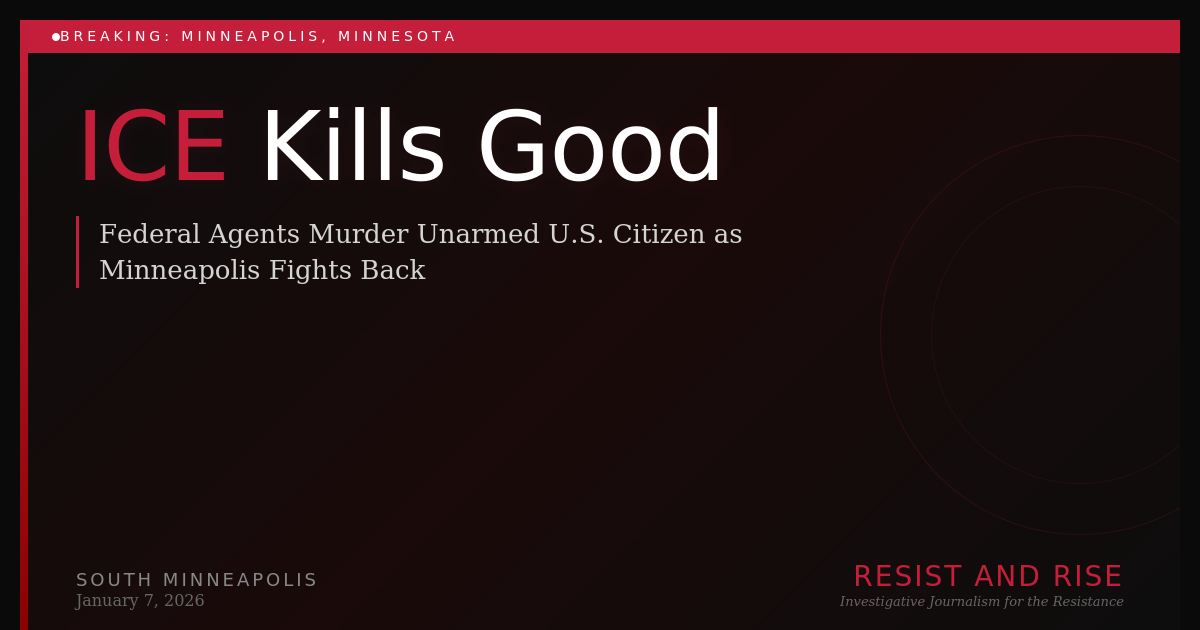
On the morning of January 7, 2026, an ICE agent shot and killed 37-year-old Renee Nicole Good on a residential street in south Minneapolis, less than a mile from where George Floyd died in 2020.
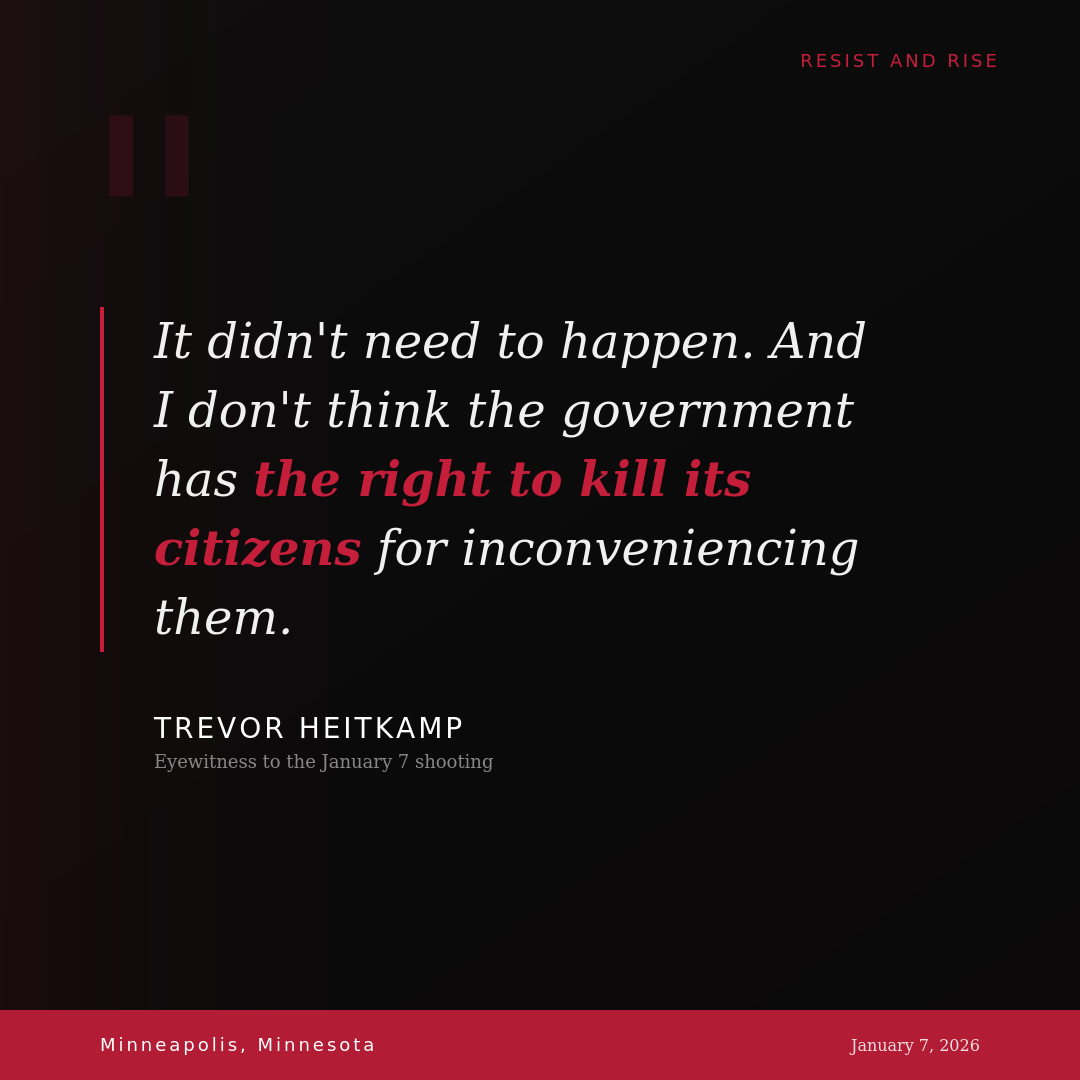
Good was a U.S. citizen. She was not the target of the immigration operation. Witness Trevor Heitkamp, who recorded the incident, said she was “going no more than 5 miles an hour” when multiple shots were fired. (Sahan Journal, January 7, 2026)
Within hours, Mayor Jacob Frey delivered a message to ICE that no American mayor has ever uttered at a press conference: “Get the fuck out of Minneapolis.”
Minneapolis didn’t wait for politicians to act. The community had been preparing for months, building rapid-response networks, training legal observers, and establishing encrypted communication channels. Now, as the Trump administration’s “largest immigration operation ever” unfolds, that infrastructure faces its real-time test.
This is what organized community defense looks like. It’s a playbook other cities will need.
What’s Happening Right Now
The Scale of Operation Metro Surge
The Department of Homeland Security has deployed more than 2,000 federal agents to the Minneapolis-St. Paul metropolitan area in what ICE Acting Director Todd Lyons calls “the largest immigration enforcement operation ever.” (PBS NewsHour, January 6, 2026)
The stated justification: fraud investigations linked to the “Feeding Our Future” scandal, a COVID-era nutrition program abuse case. Immigration advocates and local officials say the operation has devolved into something broader and more troubling.
“Days like today, there are areas of Minneapolis right now that are basically, for lack of a better word, under siege,” said Miguel Hernandez, an organizer with the Minnesota Immigrant Rights Action Committee (MIRAC). (Sahan Journal, January 5, 2026)
The administration doesn’t mention this context: According to Census Bureau data, 58% of Somali Minnesotans were born in the United States. Of those born abroad, 87% are naturalized U.S. citizens. A community of Americans is being targeted based on ethnicity, not immigration status.
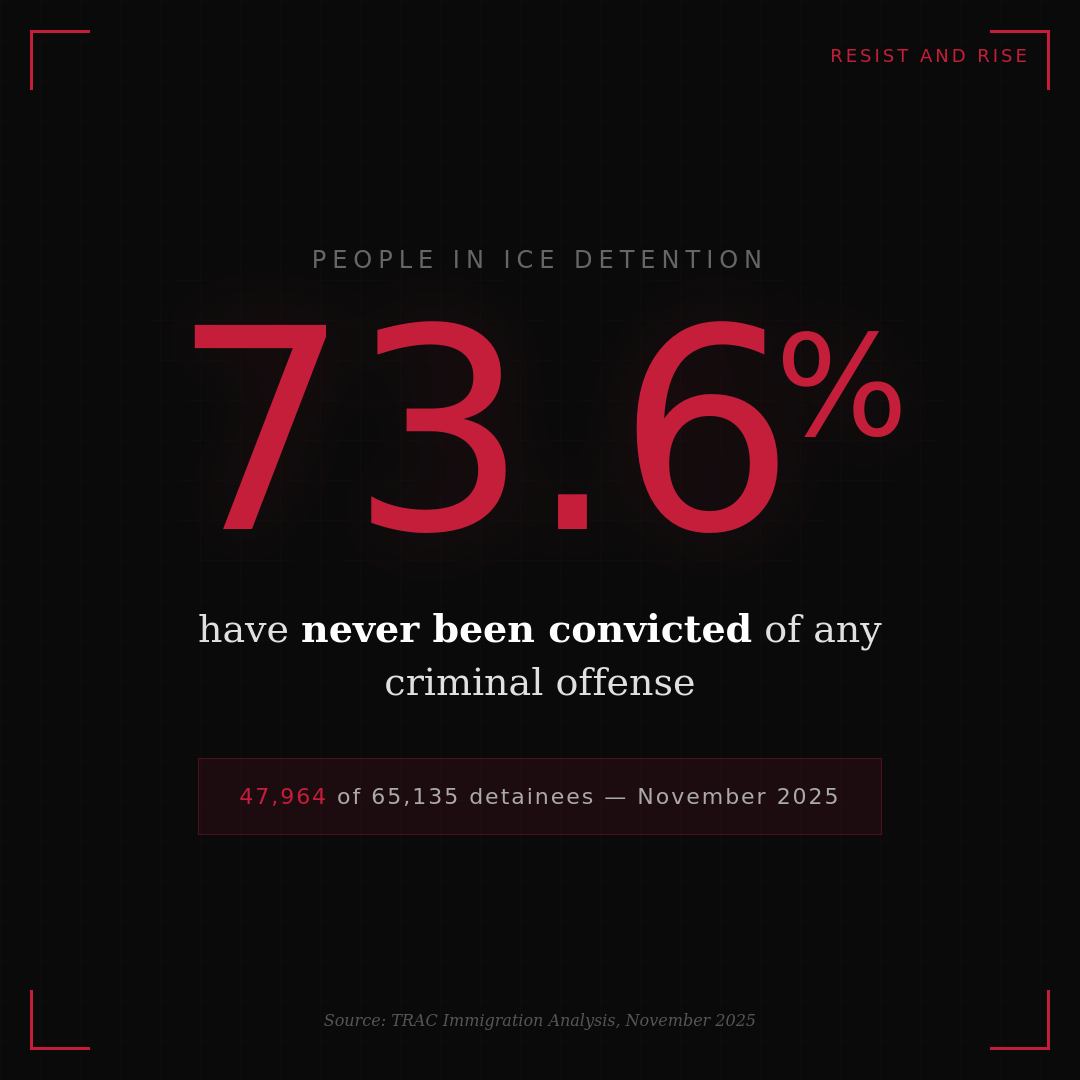
So much for the “worst of the worst.”
The January 7 Shooting and Its Aftermath
The shooting that killed Renee Nicole Good occurred on a residential block where community organizing has surged since 2020. Multiple witnesses told Sahan Journal they saw Good’s vehicle stopped in the street when federal agents approached.
A man who witnessed the shooting shouted at ICE that he was a doctor and asked to perform first aid. “The ICE agents told him to back up and stay on the sidewalk,” Heitkamp reported. (Sahan Journal, January 7, 2026)
Video of the incident, obtained by The Intercept, shows a federal law enforcement agent shooting multiple rounds into the vehicle as the driver appeared to be trying to drive away slowly. (The Intercept, January 7, 2026)
DHS Secretary Kristi Noem called Good’s actions “an act of domestic terrorism.” Mayor Frey called that claim “bullshit.”
Minneapolis Police Chief Brian O’Hara, whose department is investigating alongside the FBI and Minnesota Bureau of Criminal Apprehension, offered a stark assessment: “In any professional law enforcement agency in the country, I think they would tell you it’s obviously very concerning whenever there’s a shooting into a vehicle of someone who’s not armed.”
Why Minneapolis Was Ready
The rapid-response infrastructure deployed this week didn’t appear overnight. Organizers built it on networks established during the 2020 uprising following George Floyd’s murder—then deliberately adapted it for immigration enforcement.
The Legal Observer Network
Since early 2025, MIRAC and the Immigrant Defense Network have trained “constitutional observers”—community members who respond to ICE activity, document enforcement actions, and ensure targeted individuals know their rights.
The Immigrant Defense Network has received over 1,000 inquiries from Minnesotans who want to volunteer as constitutional observers. Immigration advocacy groups are expanding training to more than 35 counties across the state. (Sahan Journal, January 5, 2026)
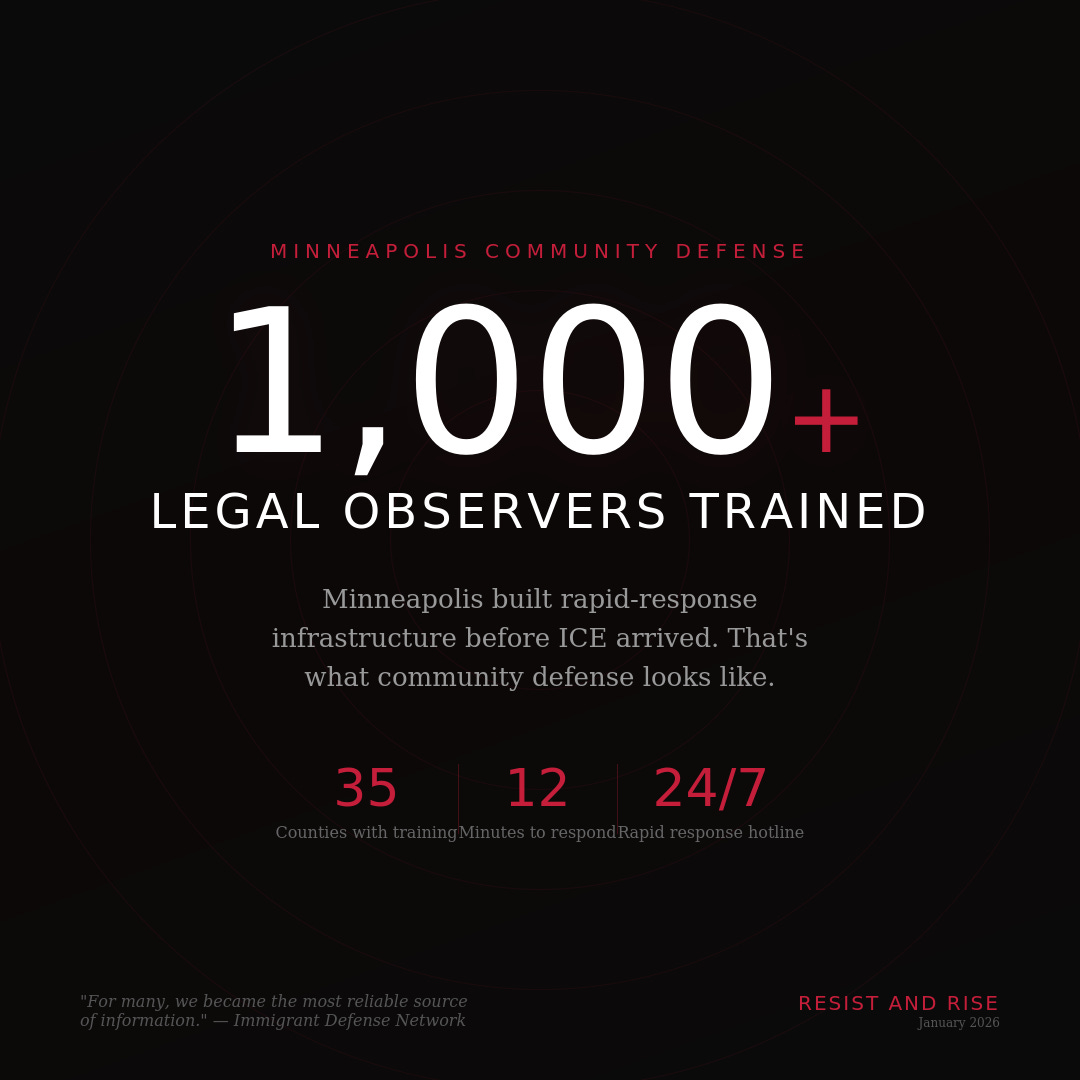
The November 18, 2025, raid at Bro-Tex Inc. in St. Paul showed what this infrastructure can accomplish. Constitutional observers arrived at the facility within 12 minutes of the initial alert. “For many, we became the most reliable source of information,” said Edwin Torres DeSantiago of the Immigrant Defense Network. “We were sharing even with local agencies because we were on the ground.”
Encrypted Communications Infrastructure
A network of encrypted Signal chat groups powers Minneapolis’s rapid response, some restarted daily for security, involving hundreds of participants across Minnesota.
“It’s evolved into quick snatch-and-grabs,” Hernandez explained. “So how do we grab that information now in a rapid way where it’s still factual? Because all that information does a lot of things.” (Star Tribune, December 2025)
When observers document enforcement, that information flows immediately to legal partners who use it to build defense cases.
The Border Czar’s Inadvertent Validation
Tom Homan, the administration’s Border Czar, has complained publicly that Minneapolis’s organizing makes enforcement difficult. “Sanctuary cities are making it very difficult to arrest the criminals,” Homan said in January 2025, singling out Chicago’s Know Your Rights education as teaching people “how to escape arrest.”
He meant it as criticism. Organizers take it as proof the strategy works.
The Community Defense Playbook
What Minneapolis built is replicable. The core components:
Know Your Rights Fundamentals
Every rapid-response network starts with rights education. Key principles:

Rapid Response Protocol
The infrastructure requires:
· A 24-hour hotline for reporting sightings
· Encrypted communications (Signal groups, restarted regularly)
· Trained legal observers who understand documentation protocols
· A legal subgroup with attorneys on standby
· Coordination protocols with local officials when possible
Documentation and Observer Tactics
When documenting ICE activity, use the S.A.L.U.T.E. format:
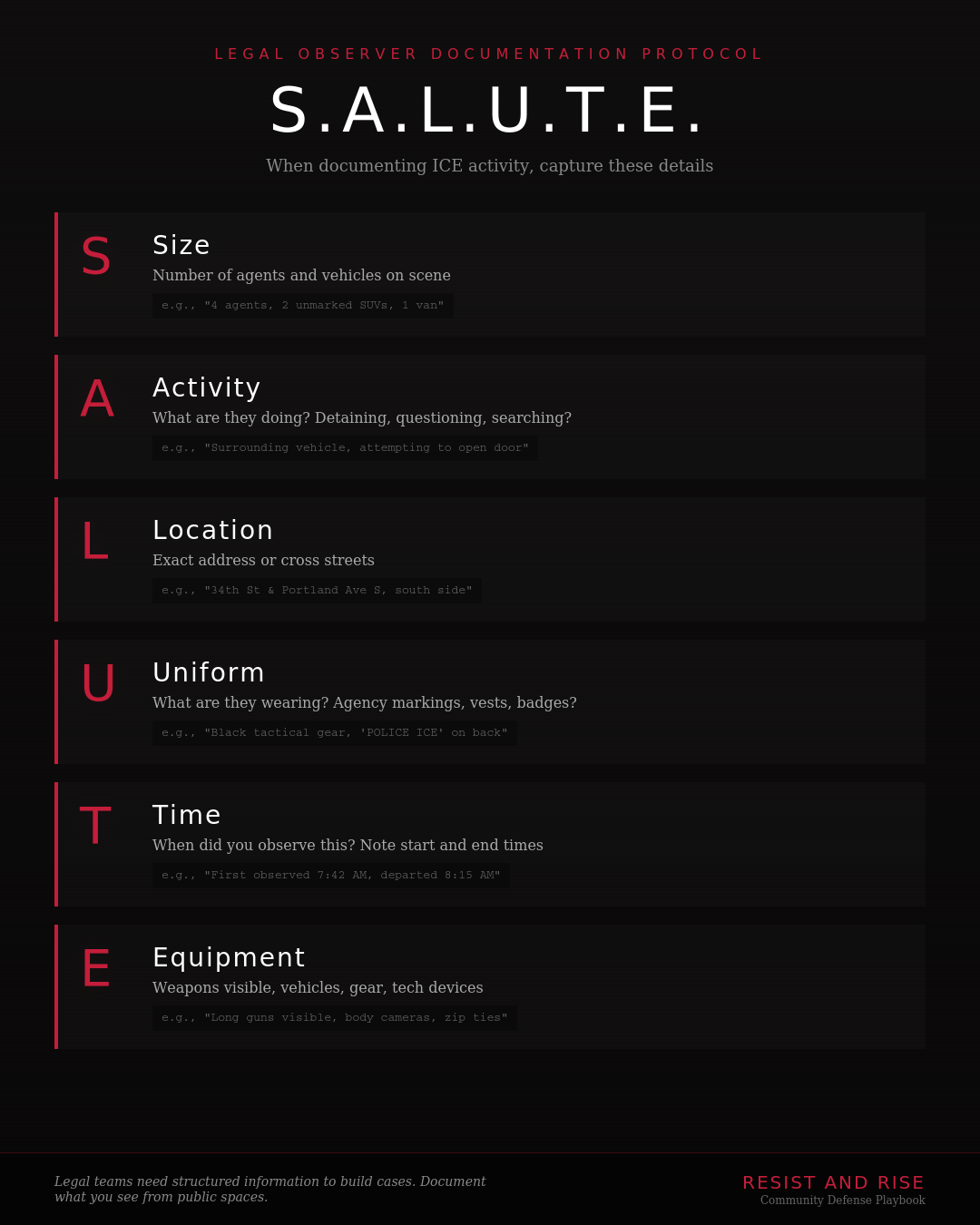
Legal teams need this structured information to build cases.
The Constitutional Fight
The ACLU of Minnesota filed a federal lawsuit on December 17, 2025, documenting a pattern of constitutional violations by ICE agents during Operation Metro Surge.
The lawsuit names six plaintiffs, all U.S. citizens or legal observers, who were detained, pepper-sprayed, threatened, or assaulted by federal agents while exercising their First Amendment rights.
The lawsuit argues that arresting or retaliating against people who are protesting ICE violates the First Amendment; that detaining protesters violates the Fourth Amendment; and that immigration officials unlawfully conspired to violate protesters’ and observers’ rights. (Minnesota Reformer, December 17, 2025)
The documented allegations:
Abdikadir Abdi Noor, a 45-year-old Somali American who has been a U.S. citizen for two decades, was tackled and detained for four hours on December 15 after encouraging community members to know their rights during an ICE operation at Karmel Mall. According to the lawsuit, an agent examining Noor’s passport made disparaging comments about Somalis. He was released without charges or paperwork. (Sahan Journal, December 17, 2025)
Susan Tincher, 55, was tackled within 15 seconds of arriving at a reported ICE operation. Her only action: standing on a public sidewalk and asking, “Are you ICE?” According to the lawsuit, federal officers cut her bra off, removed her boots and cut the laces, and cut her wedding ring from her finger.
Eight days later, no charges have been filed against Tincher.
The ACLU intends to seek a temporary restraining order that would require ICE to halt these practices immediately.
What It Means
For Minneapolis
The shooting of Renee Nicole Good represents the most extreme consequence of federal agents operating without local coordination or accountability. This is not an aberration—it is the logical endpoint of militarized immigration enforcement deployed against civilian populations.
The infrastructure Minneapolis built offers a model for constraining this enforcement through organized observation, documentation, and legal pressure. Today’s events also reveal the risks: when communities stand up, the state may respond with violence.
For Other Cities
Operation Metro Surge is a test run. The tactics refined in Minneapolis—encrypted communications, rapid observer deployment, and legal pressure campaigns—will be needed in every city where ICE escalates.
The question is whether those cities will be ready.
Minneapolis had years to build. Most cities won’t have that luxury.
What’s Next
ACLU Lawsuit Developments (January-February 2026)
Watch for preliminary injunction hearings and potential temporary restraining orders. A federal judge’s ruling could establish binding precedent for observer rights during immigration enforcement nationwide.
FBI/Minnesota BCA Investigation (Timeline: Months)
The investigation into the January 7 shooting will determine whether the ICE agent’s use of force was justified. Watch for investigative findings and potential grand jury proceedings.
Governor Walz National Guard Decision (Timeline: Days-Weeks)
Walz announced he issued a “warning order” to prepare National Guard deployment. Any actual deployment would represent an extraordinary escalation, a Democratic governor deploying state troops in response to federal immigration enforcement.
Federal Court Actions in Other Jurisdictions (Ongoing)
Chicago’s federal injunction limiting ICE force against protesters was overturned on appeal. Similar cases are pending in other circuits. A circuit split could bring these issues to the Supreme Court.
Call to Action
If you’re in Minneapolis:
· Join the constitutional observer network: MIRAC trainings are ongoing across the state
· Report ICE sightings to Monarca Rapid Response: 612-441-2881
· Download the ACLU Mobile Justice app for secure documentation
If you’re building infrastructure in your city:
· Access the CLINIC Rapid Response Toolkit for a comprehensive guide to building your own network
· Review ACLU Know Your Rights materials in multiple languages
Everyone:
· Support independent journalism covering immigration enforcement: Sahan Journal, Minnesota Reformer, and The Intercept are doing essential work
· Share this playbook with organizers in your community
Methods & Verification
All factual claims were cross-checked against primary sources, including court filings (ACLU of Minnesota v. Noem, Case 0:25-cv-04669), TRAC Immigration detention statistics, Census Bureau American Community Survey data, and contemporary reporting from Sahan Journal, Star Tribune, Minnesota Reformer, The Intercept, and PBS NewsHour. Quotes were verified against original reporting with full attribution. Witness accounts were corroborated across multiple independent interviews conducted by different news organizations.
This story will be updated as developments warrant. Subscribe to Resist and Rise for ongoing coverage as Minneapolis responds and as other cities prepare.